Breaking New Ground in Green Ammonia
We’re excited to share that the world’s largest electrochemical ammonia synthesis stack, developed by NitroVolt, is now fully balanced and operating as expected! This is a major leap forward for decentralized, sustainable fertilizer production, and a critical milestone for the NitroBox project.
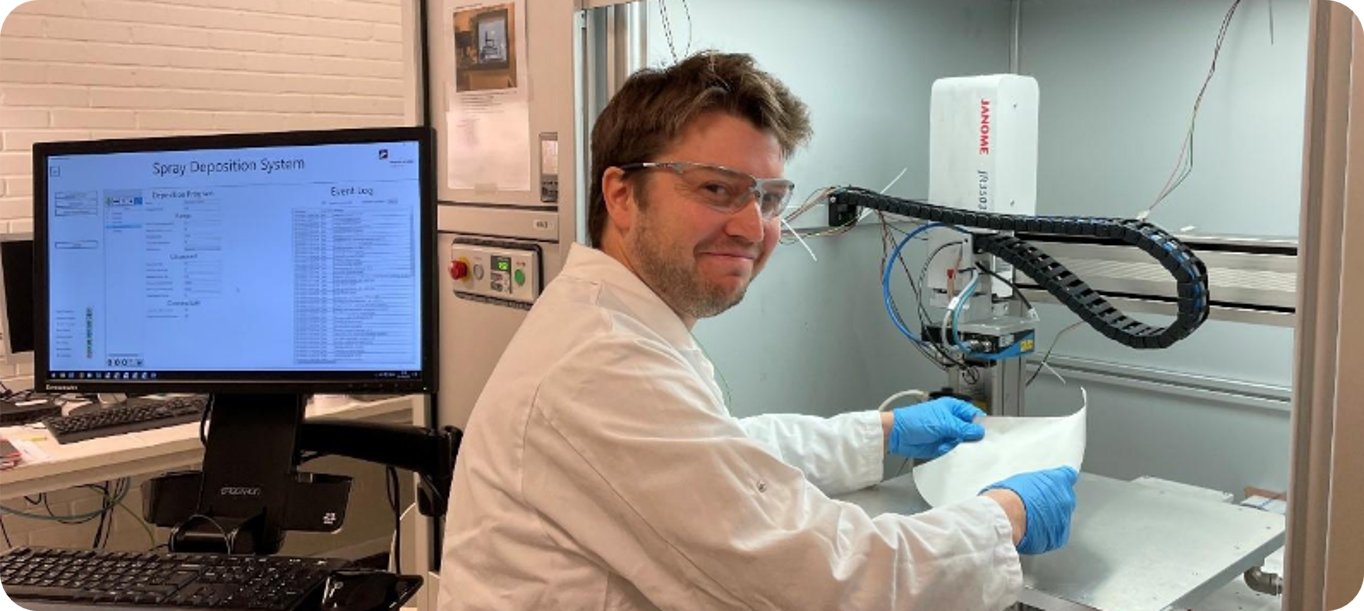
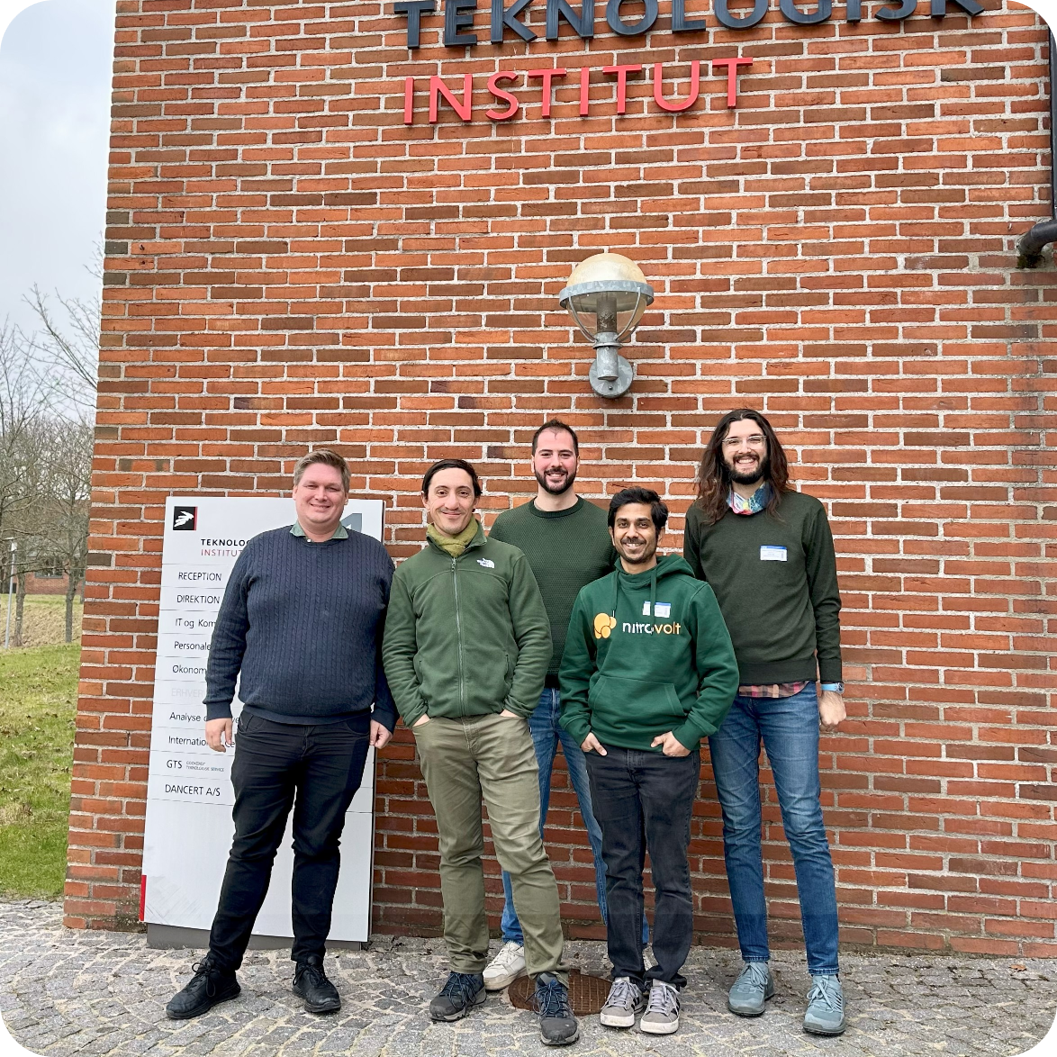
The next phase is already underway: together with the Danish Technological Institute (DTI), NitroVolt is experimenting with new deposition techniques to fabricate high-surface-area electrodes. These are designed to push our system toward record-breaking current densities, a key performance metric for our upcoming 5 kg/day demo unit.

Next-Level Engineering: 900 cm² Cell & Stack Testing
We’ve also successfully built and balanced a massive 900 cm² electrochemical cell, which separates gas and liquid phases with precision. In the coming weeks, we’ll begin ammonia production trials using this new platform.
As part of the NitroBox demo system, we will be testing both our 400 cm² and 900 cm² Nitrolyzer stacks in parallel. This will help us identify the optimal cell size for scalability while balancing cost, performance, and operational simplicity.

NitroVolt on the Global Stage
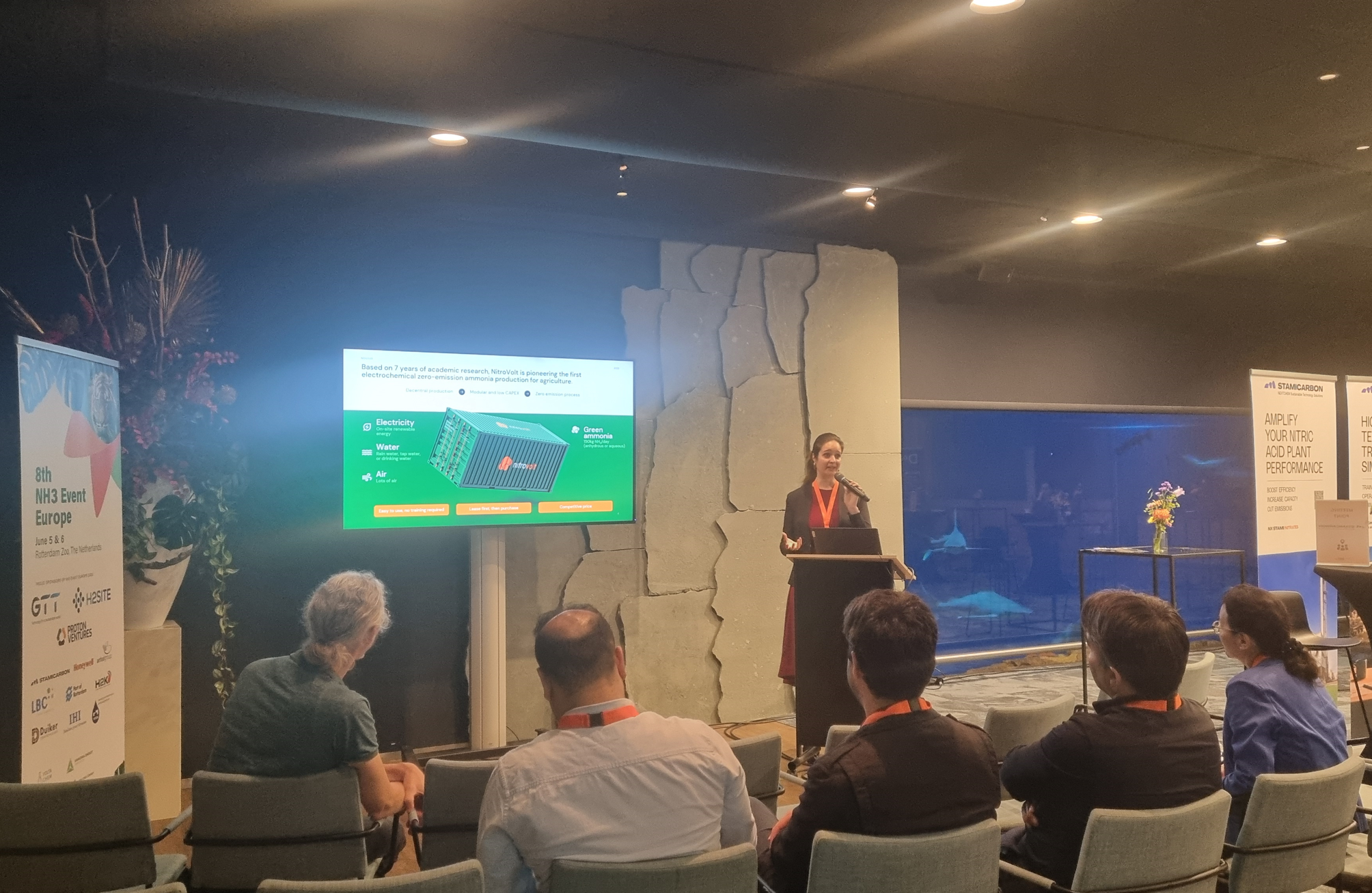
In June, NitroVolt’s CEO, Suzanne Andersen, represented NitroVolt at the NH3 Event in Rotterdam, presenting the NitroBox project to a global audience for the fourth year in a row.
The urgency around supply chain resilience and energy independence has never been clearer. Our decentralized NitroBox system drew strong interest for its ability to give Danish farmers control over local ammonia production, reducing reliance on volatile global markets and fossil-based supply chains. It's a solution that addresses both climate goals and regional sovereignty.

Climate Impact: The Grey Ammonia Baseline
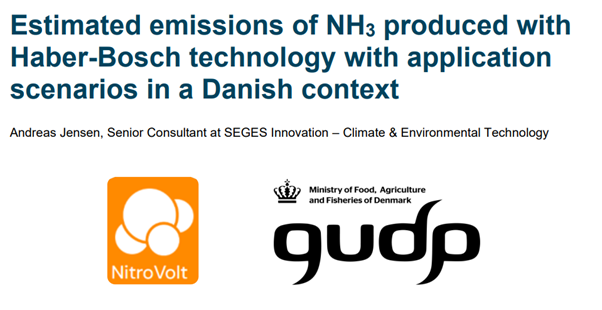
SEGES Innovation has completed the first stage of the NitroBox LifeCycle Assessment (LCA). Their findings show that Danish farmers currently source grey ammonia that emits 2.7 kg of CO₂ per kg of ammonia, accounting for fossil fuel extraction, production, leakage, and transport (often from Poland to Denmark).
Our on-site, renewable-powered NitroBox system is expected to dramatically cut this carbon footprint, enabling not only emissions savings but also transparency and accountability in agricultural inputs.
What’s Next?
Next quarter, we’ll share
- First test results from DTI’s custom electrodes running in the Nitrolyzer.
- Preliminary carbon footprint analysis of green ammonia from our system.
- Kick-off of power management integration with our SDU partners.
The road to climate-smart, farmer-driven fertilizer is unfolding fast, and NitroBox is leading the way.
Best regards,
The NitroBox Project Team


.png)
.svg)

.png)